Posts

The Ayurvedic Approach to Treating Ulcers and Acidity
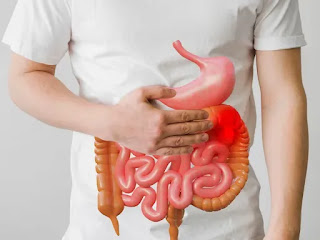
Image
Ulcers and acidity are common digestive issues that can significantly impact our overall well-being. The Ayurvedic approach to treating ulcers and acidity emphasizes restoring balance to the digestive system, addressing the root causes, and promoting long-term relief. In this blog, we will explore the Ayurvedic perspective on ulcers and acidity, including the underlying causes, symptoms, and effective herbal remedies. Understanding Ulcers in Ayurveda In Ayurveda, ulcers are often associated with an imbalance in the Pitta Dosha, particularly an excess of acidic qualities. This imbalance can lead to the formation of ulcers in the stomach and intestines. The accumulation of toxins, known as ama, further aggravates the condition, causing discomfort, pain, and digestive disturbances. Symptoms of Ulcers in Ayurveda Ayurveda recognizes various symptoms associated with ulcers, including burning sensations, pain, indigestion, and acidity. Understanding these signs is crucial for early detection...

Mindful Living with Ayurveda by Incorporating Ayurvedic Practices

Image
Finding balance and maintaining well-being is a constant challenge. Ayurveda, the ancient system of natural healing, offers a holistic approach to wellness that goes beyond quick fixes. In this blog, we will explore the concept of mindful living with Ayurveda and how you can seamlessly incorporate Ayurvedic practices into your daily life for a more balanced and harmonious existence. Understanding Ayurvedic Principles Ayurveda, often referred to as the "Science of Life," is rooted in the understanding of three fundamental energies or Doshas – Vata, Pitta, and Kapha. These Doshas govern various physiological and psychological functions in the body, and maintaining their balance is key to overall health. Mindful living with Ayurveda involves aligning your lifestyle with your unique Dosha constitution. Identify Your Dosha Begin by discovering your predominant Dosha – Vata, Pitta, or Kapha. Online quizzes or consultations with Ayurvedic practitioners can help you understand yo...

Ayurvedic Remedies for Strengthening Elbow Joints and Preventing Injuries

Image
It is essential for our overall well-being to keep our elbow joints healthy and strong because they play a crucial role in our daily activities. Ayurveda offers holistic remedies that not only strengthen but also prevent injuries in the pursuit of robust elbow joints. Find out how you can maintain elbow joint health with the ancient wisdom of Ayurveda. Balancing Doshas: Ayurveda emphasizes the balance of doshas—Vata, Pitta, and Kapha—as imbalances can lead to joint issues. Incorporating a dosha-balancing diet and lifestyle helps in maintaining optimal joint health. Foods rich in nutrients, such as leafy greens, nuts, and seeds, can contribute to overall joint strength. Snehana (Oil Massage): Regular oil massage of the elbows with medicated oils is a cornerstone in Ayurveda. This practice, known as Snehana, not only nourishes the skin but also penetrates deep into the joints, promoting flexibility and reducing friction. Sesame oil, infused with Ayurvedic herbs, is often recommended for ...

Ayurvedic Diet For Managing IBS in Children

Image
Irritable Bowel Syndrome (IBS) is a common digestive disorder that affects both adults and children. However, when it comes to managing IBS in children, the conventional approach may not always be suitable. Ayurveda, the ancient Indian system of medicine, offers a holistic and natural alternative with its emphasis on balance and individualized care. In this blog, we will explore the Ayurvedic approach to managing IBS in children, focusing on the significance of an Ayurvedic diet. Understanding IBS in Children IBS in children can manifest with symptoms such as abdominal pain, bloating, diarrhea, and constipation. Unlike adults, children may have difficulty expressing their discomfort, making it crucial for parents and caregivers to observe any changes in their behavior or bowel habits. Ayurvedic Diagnosis In Ayurveda, each individual is considered unique, and the approach to treatment is personalized based on their dosha – Vata, Pitta, or Kapha. Consulting an Ayurvedic practition...

Initiating Ayurvedic Postnatal Care: Timelines and Considerations

Image
Bringing a new life into the world is a transformative experience that calls for dedicated care, especially in the delicate postnatal period. Ayurvedic postnatal care, known as Sutika Paricharya, is a time-tested approach that focuses on the holistic well-being of both the mother and the newborn. In this blog, we will delve into the crucial aspect of initiating Ayurvedic postnatal care, exploring the timelines and key considerations for this nurturing journey. The Ideal Timeframe: Within Hours or Days After Delivery: Discuss the immediate postpartum period and how Ayurvedic care can be initiated within hours or days after childbirth. Highlight the importance of stability for both the mother and baby before commencing the Ayurvedic postnatal care program. Factors Influencing Initiation: Explore the factors that influence the initiation of Ayurvedic postnatal care, such as the mother's physical condition, delivery method, and overall health. Emphasize the need for individualized as...

The Impact of Ayurvedic Migraine Treatment on Mental Health

Image
Migraines, often viewed solely as physical ailments, can significantly affect mental health. This blog explores how Ayurvedic migraine treatment, rooted in holistic healing principles, addresses both the physical and mental dimensions of this neurological disorder. The Mind-Body Connection in Ayurveda: Ayurveda acknowledges the intimate connection between mind and body. In the context of migraines, Ayurvedic principles attribute imbalances in doshas to the condition. By restoring these imbalances, Ayurvedic treatments aim to not only alleviate physical symptoms but also foster mental well-being. Stress Reduction and Emotional Resilience: Stress management is a core component of Ayurvedic migraine treatment. Through practices like meditation and yoga, these therapies reduce stress levels, fostering emotional resilience and a calmer mental state, which is crucial for migraine sufferers dealing with both physical pain and emotional strain. Balancing Energies for Mental Equilibrium: Ayurve...

Nurturing Recovery: Ayurvedic Lifestyle Practices for Post-Stroke Wellness

Image
Stroke recovery can be a difficult process that calls for a multifaceted strategy that includes both medical intervention and lifestyle changes. The traditional Indian medical system known as Ayurveda provides a comprehensive approach to well-being. Ayurvedic lifestyle practices, which emphasise mind, body, and spirit harmony, can be used into post-stroke therapy to improve healing. We examine Ayurvedic concepts and methods in this blog that support stroke survivors' well-being. Balancing Doshas In Ayurveda, strokes are often attributed to imbalances in the Vata dosha, which governs movement and circulation. Ayurvedic therapies aim to restore balance, and this begins with a dosha-specific diet and lifestyle modifications. Warm, nourishing foods can be beneficial for Vata imbalances, promoting digestion and circulation. Herbal Support Ayurvedic herbs have been used for centuries to support neurological health. Ashwagandha, Brahmi, and Jatamansi are examples of herbs known for t...